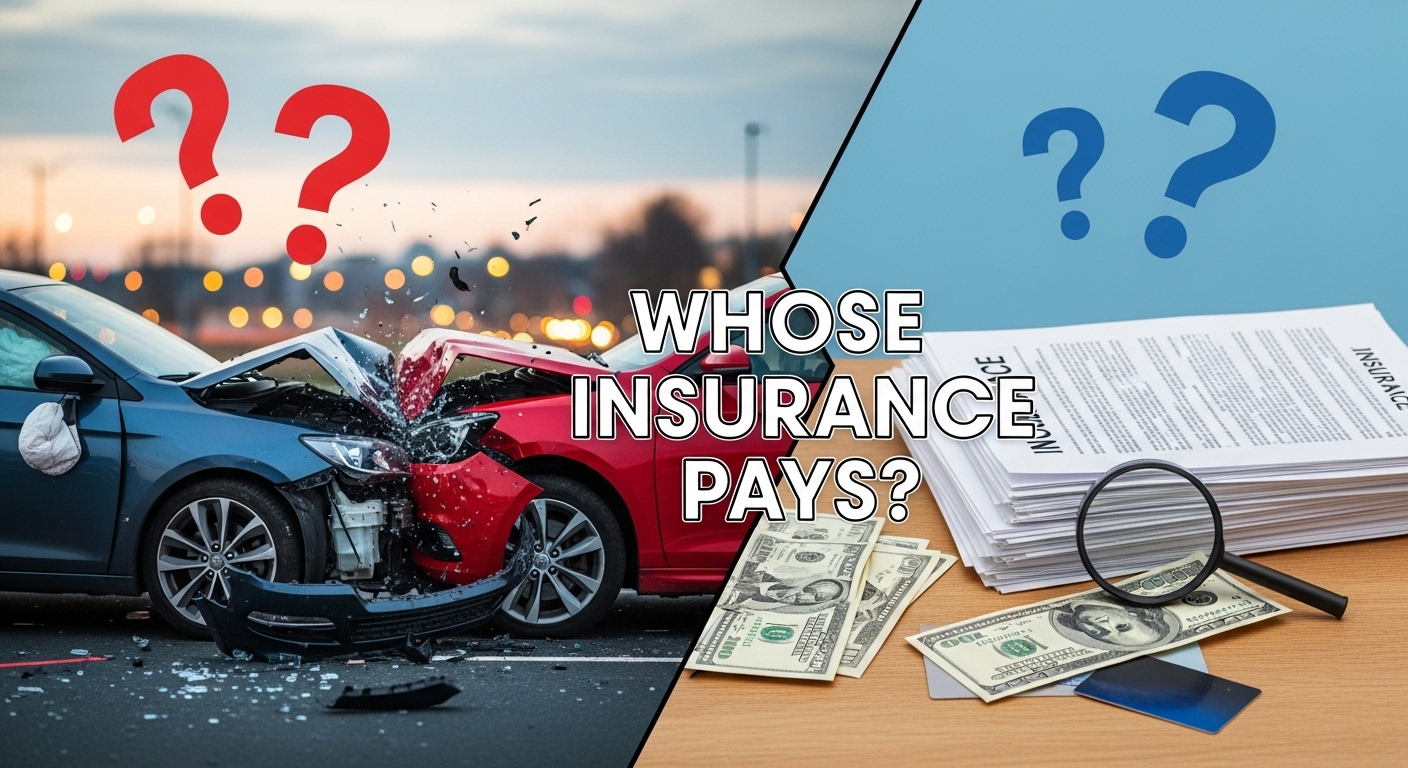
Multi-car accidents can be confusing, stressful, and financially complicated. When several vehicles are involved, many drivers ask: Whose insurance actually pays? The answer depends on fault, insurance coverage, and local laws.
In this guide, we’ll break down everything you need to know about multi-car accident insurance claims, liability, and what to expect if you’re involved.
What Is a Multiple Car Accident?
A multiple car accident (also called a chain-reaction crash) happens when three or more vehicles collide. These accidents are common in:
- Heavy traffic
- Foggy or rainy conditions
- Highways with sudden braking
For example, one car brakes suddenly, the next car hits it, and then more vehicles crash into each other. This creates a chain of liability.
Who Is Responsible in a Multi-Car Accident?
In most cases, fault is determined individually, not collectively.
👉 A common rule:
- If you hit the car in front of you → you are usually at fault for that impact
- If someone hits you from behind → they are responsible for your damage
So in a 5-car accident:
- Car 2 may be at fault for hitting Car 1
- Car 3 may be at fault for hitting Car 2
- And so on
Each driver’s insurance may cover the damage they caused.
Whose Insurance Pays?
1. At-Fault Driver’s Insurance
The at-fault driver’s liability insurance pays for:
- Damage to other vehicles
- Medical expenses of injured people
- Property damage
If multiple drivers are at fault, multiple insurance companies may share the cost.
2. Your Own Insurance (If Needed)
Sometimes, the at-fault driver’s insurance is not enough. In that case, your own policy may help:
- Collision coverage → Pays for your car repairs
- Medical coverage → Covers your injuries
- Uninsured motorist coverage → If the other driver has no insurance
What Does $25,000 Bodily Injury Liability Per Person Mean?
This is a common insurance term.
👉 It means:
- Your insurance will pay up to $25,000 per injured person in an accident
- If medical bills exceed this, you may have to pay the rest yourself
Example:
- 3 people injured
- Each has $30,000 in medical bills
- Insurance pays $25,000 per person
- Remaining $5,000 per person may come from your pocket
At Fault for a 5-Car Accident: What to Expect?
If you are found at fault in a multi-car crash, here’s what typically happens:
🚗 1. Multiple Claims Filed
Several drivers may file claims against your insurance.
💰 2. Higher Financial Risk
If damages exceed your policy limits, you may be personally responsible.
📈 3. Insurance Premium Increase
Your insurance rate will likely go up after the accident.
⚖️ 4. Legal Complications
In serious cases, lawsuits may occur—especially if injuries are involved.
How Does Insurance Work When It’s Not Your Fault?
If you are not at fault, the process is simpler:
- The at-fault driver’s insurance should cover your damages
- You may still use your own insurance for faster processing
- Your insurer may later recover money from the responsible party (called subrogation)
👉 Good news: Your premium usually does not increase significantly if you’re not at fault.
Third-Party vs Comprehensive Insurance – Which Is Better?
Understanding your coverage is crucial.
🔹 Third-Party Insurance
- Covers damage to other people and vehicles
- Does not cover your own car
🔹 Comprehensive Insurance
- Covers both third-party damage and your own vehicle
- Includes theft, fire, and natural disasters
👉 Which is better?
- If you want full protection → Comprehensive is الأفضل
- If you want low cost → Third-party is cheaper but risky
Key Factors That Affect Who Pays
Several factors influence insurance payouts:
1. Police Report
Authorities determine initial fault based on evidence.
2. Witness Statements
Eyewitnesses help clarify what happened.
3. Dashcam Footage
Video proof can strongly support your claim.
4. Traffic Laws
Violations (speeding, tailgating) affect liability.
Tips to Handle a Multi-Car Accident
If you ever face such a situation, follow these steps:
✅ 1. Stay Calm and Safe
Move to a safe area if possible.
✅ 2. Call Emergency Services
Report the accident immediately.
✅ 3. Document Everything
Take photos of:
- Vehicle damage
- Road conditions
- License plates
✅ 4. Exchange Information
Collect:
- Insurance details
- Contact numbers
✅ 5. Inform Your Insurance Company
Report the accident as soon as possible.
Common Mistakes to Avoid
❌ Admitting fault at the scene
❌ Not collecting evidence
❌ Delaying insurance reporting
❌ Assuming one person pays for everything
Final Verdict
In a multi-car accident, there is no single answer to “who pays.” It depends on:
- Who caused each collision
- The type of insurance coverage
- The extent of damage and injuries
👉 In most cases, each driver is responsible for the damage they cause, and multiple insurance companies may be involved.
Conclusion
Understanding how insurance works in a multi-car accident can save you from financial stress and confusion. Whether you are at fault or not, having the right coverage—especially comprehensive insurance—can make a huge difference.
Always drive safely, maintain distance, and ensure your insurance policy has enough coverage limits. Because in chain accidents, even a small mistake can lead to big consequences.